![[featured_image_credit]](https://sumruinal.com/wp-content/uploads/2026/04/ALONE-IS-NOT-BROKEN.jpg)
How reclaiming your solitude changes who you choose in love
Picture this. You are at a family gathering — successful, grounded, a woman who has built a life most people only dream of. And then, from across the table, comes the question that lands like a pebble in still water: “So… still single?”
The silence that follows is not just social. It is cultural. It carries the weight of a hundred unspoken beliefs about what a woman alone means, what she represents, and what she must be lacking. And somewhere inside you — even the high-achieving, self-aware, deeply capable version of you — a small part wonders if they might be right.
They are not. But before you can fully believe that, we need to look honestly at the story your culture has told you about aloneness — and why that story is costing you love.
1. Two words. Very different worlds.
Loneliness is an ache. It is the feeling of being disconnected — unseen, unmet, unwanted. It is emotional hunger. Loneliness is not about whether someone is physically present; you can feel profoundly lonely in a crowded room, in a long marriage, or in a family home full of noise.
Aloneness is something else entirely. It is a state of being with yourself — and depending on your relationship with yourself, that state can be rich, nourishing, and clarifying or terrifying and shameful. Solitude is a choice; loneliness never is. The capacity to be alone is one of the most important indicators of emotional maturity — not a gap waiting to be filled by another person.
“The woman who can be alone — truly, peacefully alone — is not waiting for her life to begin. She is already living it.”
This distinction matters enormously, because many women have been taught to experience their aloneness as loneliness. To feel the absence of a partner as a personal failing rather than a simple circumstance. That is not a truth. That is a cultural script. And it is time to read it critically.
2. The cultural lens: two stories about being alone
When a woman from a collective culture dates a man from an individualistic one, they do not just bring their personalities to the relationship. They bring two completely different emotional languages around solitude, identity, and what it means to need someone.
Collective · Macho Culture: Aloneness as shame
A single woman is a puzzle to be solved. Her solitude is read as a deficiency — she is not yet chosen, not yet complete. The group identity comes first; the self is always defined in relation to others. Marriage is not a choice; it is a destination. Research confirms that women in collectivist cultures are more likely to endorse an altruistic, group-first view of love — and to subordinate personal desire to family expectation.
Individualistic Culture: Aloneness as identity
Solitude is celebrated, even fetishised. “Know yourself first” is a mantra. But individualism can tip into emotional unavailability — a dependency on others experienced with deep ambivalence, making genuine intimacy paradoxically harder to sustain. The individual reigns, and emotional need can feel like weakness.
When the two worlds meet in a relationship…

She may interpret his independence as rejection. He may read her longing for closeness as pressure. Neither is wrong — they are simply speaking different emotional dialects. Attachment science tells us these patterns were formed long before the relationship began — and without awareness, each partner will keep reacting from their cultural script rather than choosing a new one.
3. The woman in the middle
You have a career you are proud of. A sense of self. A full life. And yet — aloneness can still feel like something you need to apologise for. Powerful, self-loving women who are also passionately committed to partnership are often ridiculed or pitied, as though the two desires cannot coexist.
This contradiction does not disappear when you enter a cross-cultural relationship. If anything, it becomes louder. Because now you are navigating not just your own internal conflict but the cultural gap between you and your partner — often without language for either.
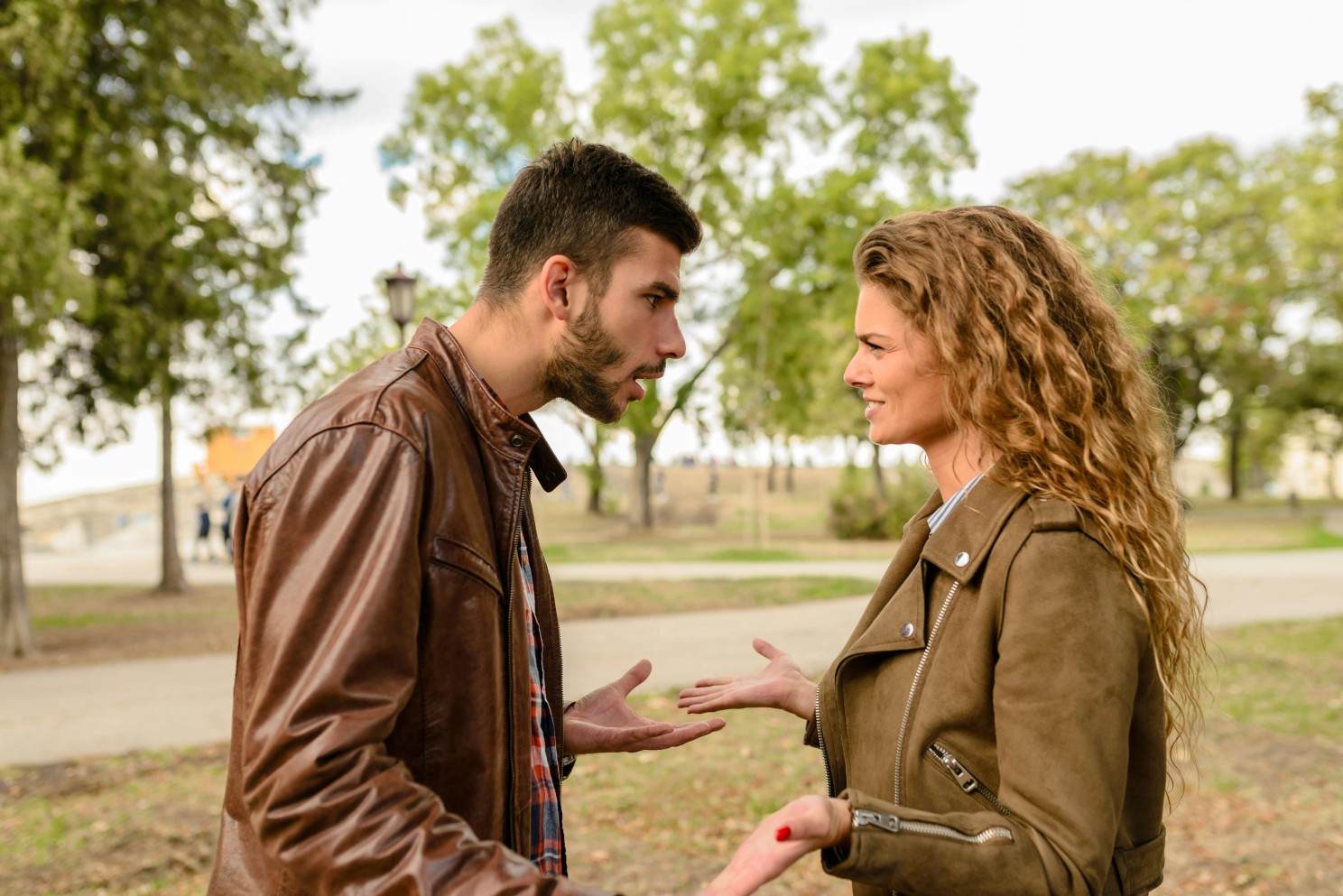
And here is where the danger lies: when aloneness feels like shame, you stop choosing from wholeness. You start choosing from hunger. Women who have not made peace with their own solitude tend to unconsciously seek unavailable partners — mistaking intensity for intimacy, urgency for love. Hunger is not a compass.
4. The reframe: aloneness as sacred ground
“The quality of your relationship with yourself determines the quality of the partner you attract — and the choices you make.”
Knowing how to be solitary is central to the art of loving. When we can be alone, we can be with others without using them as a means of escape. What has been pathologised as isolation is, in many cases, simply a self that has not yet been given permission to exist.


Reclaiming aloneness does not mean withdrawing from connection. It means building a self that is not structurally dependent on a partner to feel whole. Rilke wrote that the highest task between two people is for each to stand guard over the other’s solitude — two presences that protect and greet each other without dissolving into each other.
And here is the profound irony: the women who do this work — who sit with themselves, face the cultural noise, and build real self-sovereignty — become extraordinarily magnetic. Not because they perform confidence, but because they are genuinely free to say both yes and no.
5. What does a conscious chooser actually look like?
Becoming a conscious chooser is not about becoming harder to reach or more selective for its own sake. It is about approaching love from a place of clarity rather than urgency. Here is what that looks like in practice:
- She knows the difference between loneliness and aloneness — and she does not let the first one make decisions for her. She understands that solitude with self-acceptance is healthy; loneliness born of shame is the wound she is healing.
- She can name the cultural scripts she has inherited about being single — whether the collective imperative to belong to someone or the individualistic ideal of radical self-sufficiency — and she questions them before obeying them.
- She understands her own attachment style and her partner’s. She knows that what reads as “coldness” in a man from an individualistic culture may be avoidant attachment — not a cultural value, but a wound.
- She chooses with her values, not her fears. She has done enough inner work to know the difference between being drawn to someone and being driven toward someone by the terror of remaining alone.
- She is building toward emotional intimacy, trust, and commitment — not rushing toward the appearance of them. Love is not a feeling to be found but a practice to be built — a verb, not a noun.
- She has done the inner work to know who she is, what she truly requires in a partner, and what she will not accept. This self-knowledge is not a wish list — it is a compass. Without it, chemistry becomes the decision-maker. With it, chemistry becomes one delightful signal among many, held in balance by the head as well as the heart.
- She takes full initiative and responsibility for her relationship outcomes. She does not wait to be selected, then react to whoever shows interest. She dates by design, not by default — approaching each encounter as an active, eyes-open evaluation, not a passive audition for someone else’s approval.
- She does not put her life on hold while she waits for love to arrive. Her sense of purpose, her friendships, her vision for her own future — these are not a waiting room. They are her life, already fully inhabited. The best way to find a true partner is to already be a whole person living the life she genuinely wants — not someone whose fulfilment depends on being found.
If this touched something in you — a recognition, a tension, a quiet exhale — that is not a coincidence. The work of becoming a conscious chooser is the most important relationship work you will ever do. Not because it guarantees a perfect outcome, but because it guarantees that whatever you choose, you chose it freely.
And that changes everything. Because when you are whole in yourself, you stop searching for someone to complete you — and you become free to do something far more beautiful: to greet another whole person and to choose them. Not from need. Not from fear. Not from the noise of a culture that told you your solitude was a problem to be solved.
From love. Real, chosen, eyes-open love.
“Once the realisation is accepted that even between the closest human beings infinite distances continue, a wonderful living side by side can grow if they succeed in loving the distance between them, which makes it possible for each to see the other whole against the sky.“
— Rainer Maria Rilke, Letters to a Young Poet
This is the love you are building toward. Not two halves fusing into one — but two whole people, standing in their own light, choosing each other freely, seeing each other clearly.
That is the love worth becoming ready for.
You have done the reading. Now let’s do the work.
A Clarity Call is a single, focused conversation — just you and me — where we look honestly at where you are, what you truly want, and what is standing between you and the love you deserve. No scripts. No generic advice. Just the kind of clear, courageous conversation that changes the direction of things.
If something in this article made you pause — that pause is the beginning of something. Let’s honour it. Book your Clarity Call at no cost today!
I wrote this article because I have sat across from too many brilliant women who dimmed their own light waiting to be chosen. I will not watch you do the same.
You are not too much. You are not too late. And you are absolutely not broken.
You are a woman who is finally ready to choose.
— With courage and love, always —
Sumru İnal, Global-Love Bridge · Conscious Relationship Coach · Empowering high-achieving women to choose love from wholeness
Further Reading
The thinking in this article was shaped by nine books I return to again and again. Consider this your reading list for the next chapter of your own journey.
On aloneness, solitude & loneliness
1 hooks, bell. “All About Love: New Visions” (2000) The philosophical foundation of this article — on solitude, loneliness, and love as a conscious practice.
2 Rufus, Anneli. “Party of One: The Loners’ Manifesto” (2003) A powerful reclaiming of aloneness as strength — not deficit.
3 Storr, Anthony. “Solitude: A Return to the Self” (1988) A psychiatrist’s case for why the capacity to be alone is a mark of emotional maturity.
On culture, identity & cross-cultural love
4 Hofstede, Geert. “Cultures and Organizations: Software of the Mind” (1991) The foundational research on collectivism versus individualism — and how culture shapes everything we expect from love.
5 hooks, bell. “Communion: The Female Search for Love” (2002) Written specifically for women navigating love and ambition — the book every high-achieving woman should read.
On attachment, choice & conscious relationship
6 Levine, Amir & Heller, Rachel. “Attached: The New Science of Adult Attachment” (2010) The clearest guide to understanding attachment styles — essential reading for cross-cultural relationships.
7 Norwood, Robin. “Women Who Love Too Much” (1985) On the patterns that lead women to choose from hunger rather than wholeness — and how to break them.
8 Rilke, Rainer Maria. “Letters to a Young Poet” (1929, Mitchell translation 1984) The source of the closing passage — on love as two solitudes that protect and greet each other.
9 Steele, David. “Conscious Dating: Finding the Love of Your Life & the Life That You Love” (2008) The professional source for the conscious chooser framework — on choosing by design, not by default.
WANT TO USE THIS ARTICLE IN YOUR NEWSLETTER OR WEBSITE?
You can, as long as you include this information with it: Sumru İnal is a Conscious Dating and Relationship Coach for international singles who want to manifest and attract true love for having a trust-based and fulfilling relationship.
Grab your FREE copy of my ‘Dating Red Flags Checklist’ at sumruinal.com